VOLTAR PARA PÁGINA INICIAL
PRÓXIMOS LANÇAMENTOS
Acompanhe os próximos lançamentos espaciais programados. Fique por dentro das missões que estão prestes a decolar e expandir nosso conhecimento do cosmos.
Período:
Provedor:
Carregando lançamentos...
Acompanhe os próximos lançamentos espaciais programados. Fique por dentro das missões que estão prestes a decolar e expandir nosso conhecimento do cosmos.
Carregando lançamentos...

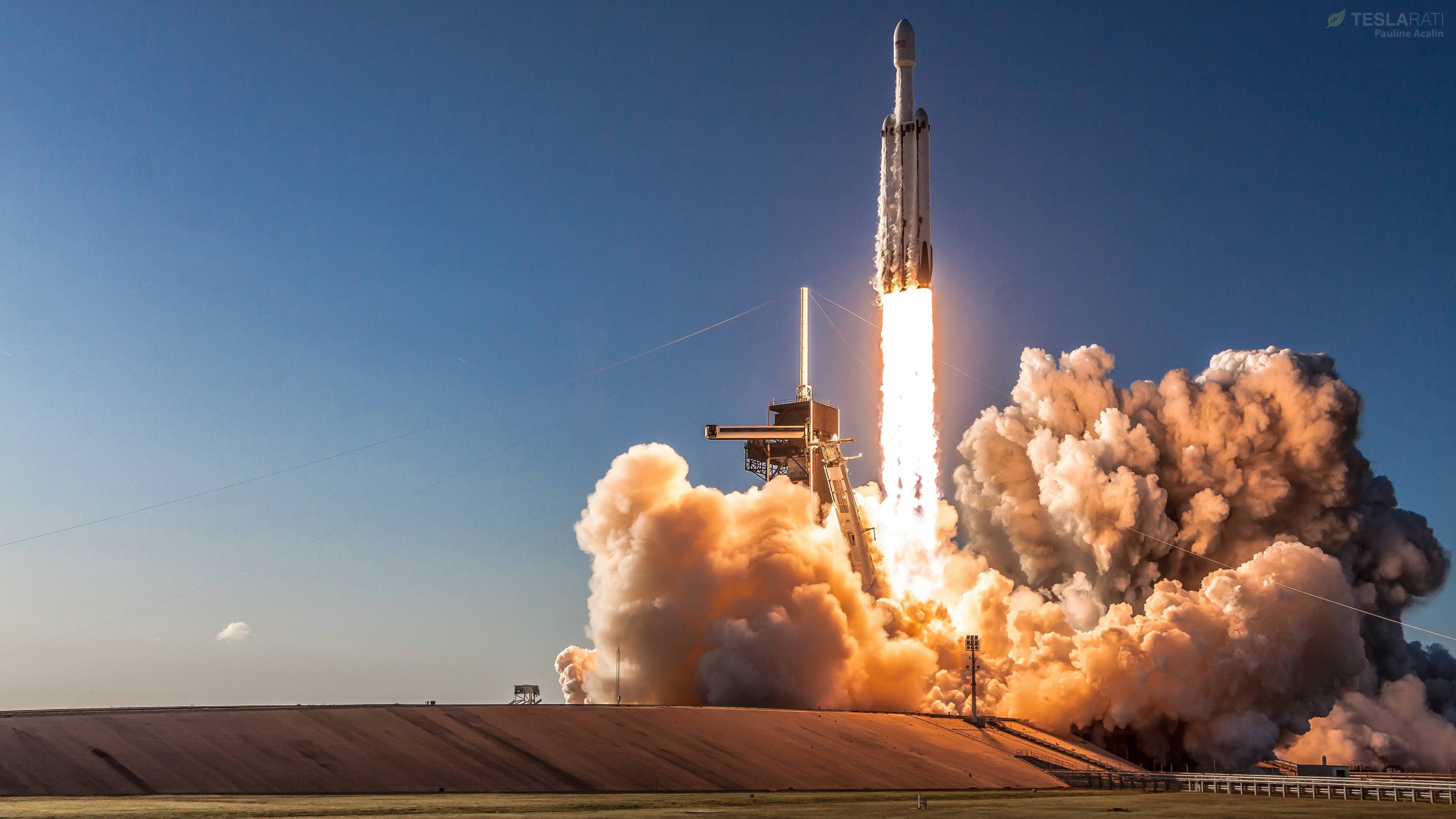
Sem descrição disponível
Sem descrição disponível
Sem descrição disponível
Second test flight of Isar Aerospace's Spectrum launch vehicle. Includes several payloads for ESA's "Boost!" program, including for various European universities.
Sem descrição disponível
Sem descrição disponível
Sem descrição disponível
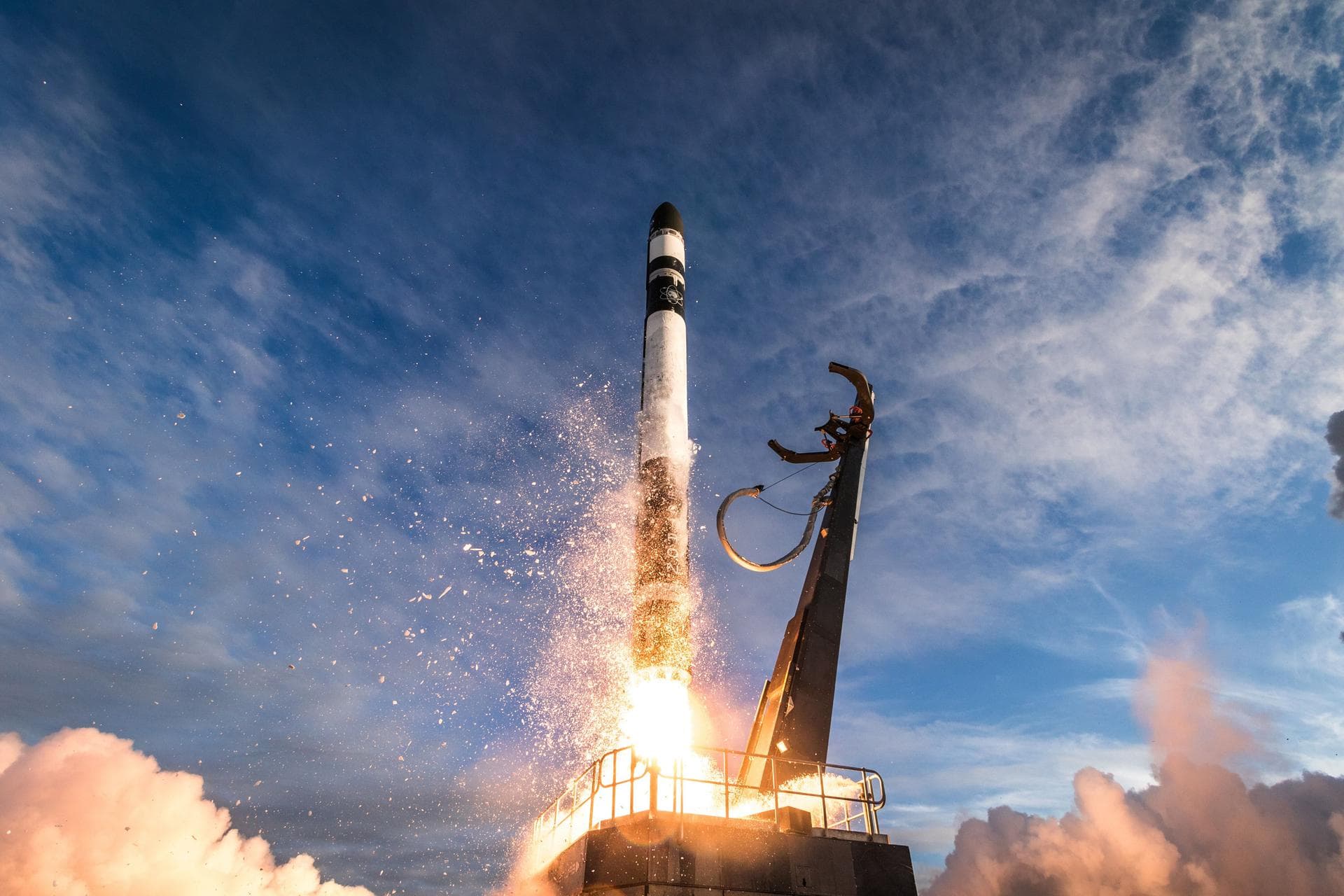
launching radar satellite for Japanese Earth imaging company Synspective.
Sem descrição disponível
The second batch of Rassvet-3 satellites for Bureau 1440 is scheduled to launch between April 24 and 28, 2026 with launch window 11:00-21:00 UTC. This information is based on active NOTAM (Notice to Airmen or Notice to Air Missions) warning issued by the authorities and suggest the same launch vehicle configuration - Soyuz 2.1b without Fregat upper stage (the same flight path as launch in March). This launch was postponed to the second half of June and will include 16 satellites just like the previous batch.
Sem descrição disponível
Sem descrição disponível
Sem descrição disponível
Sem descrição disponível
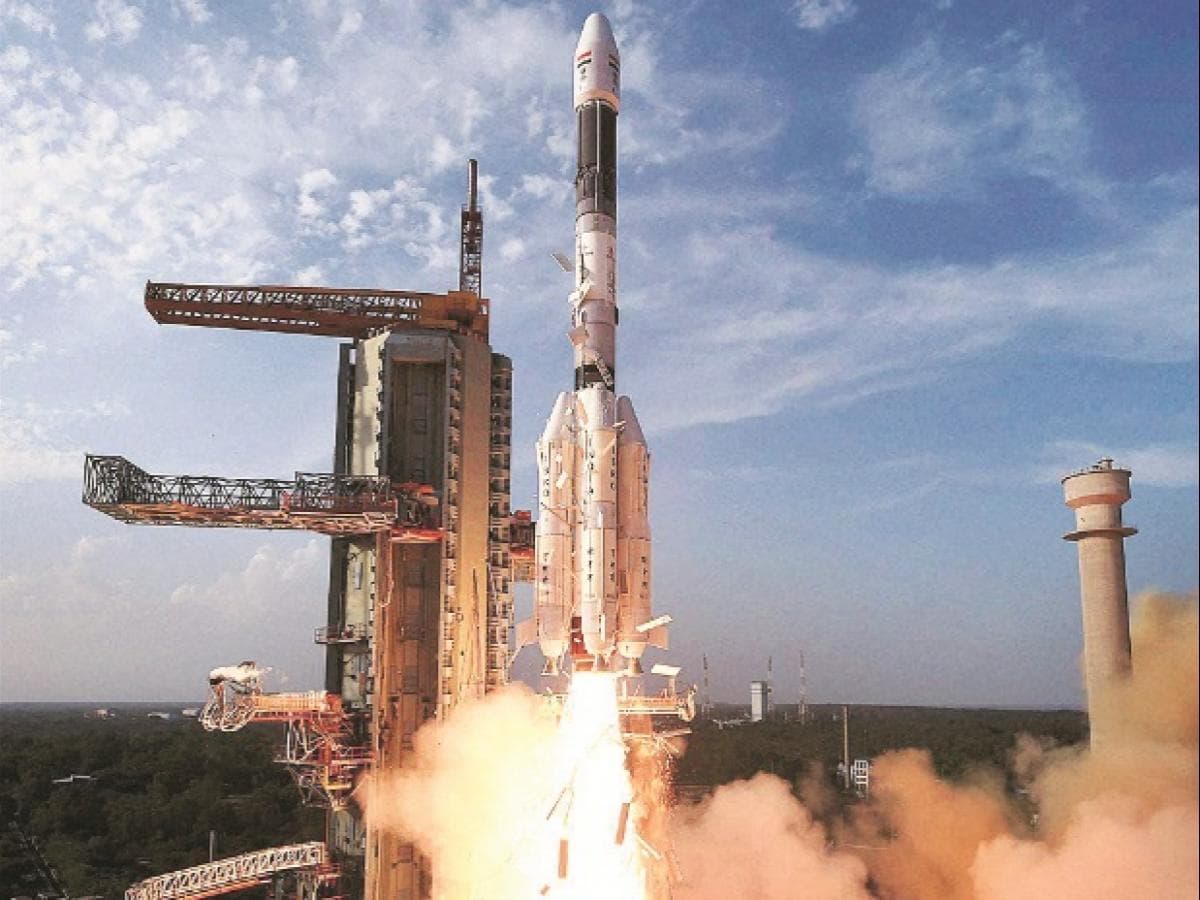
aka GISAT-2, a geo-imaging satellite for quickly providing images during disasters.
Sem descrição disponível
8th Electron Launch for Japanese company, iQPS. Electron will deploy one SAR (synthetic aperture radar) to a 575km orbit, where it will join iQPS' constellation.
Sem descrição disponível
Sem descrição disponível
Sem descrição disponível
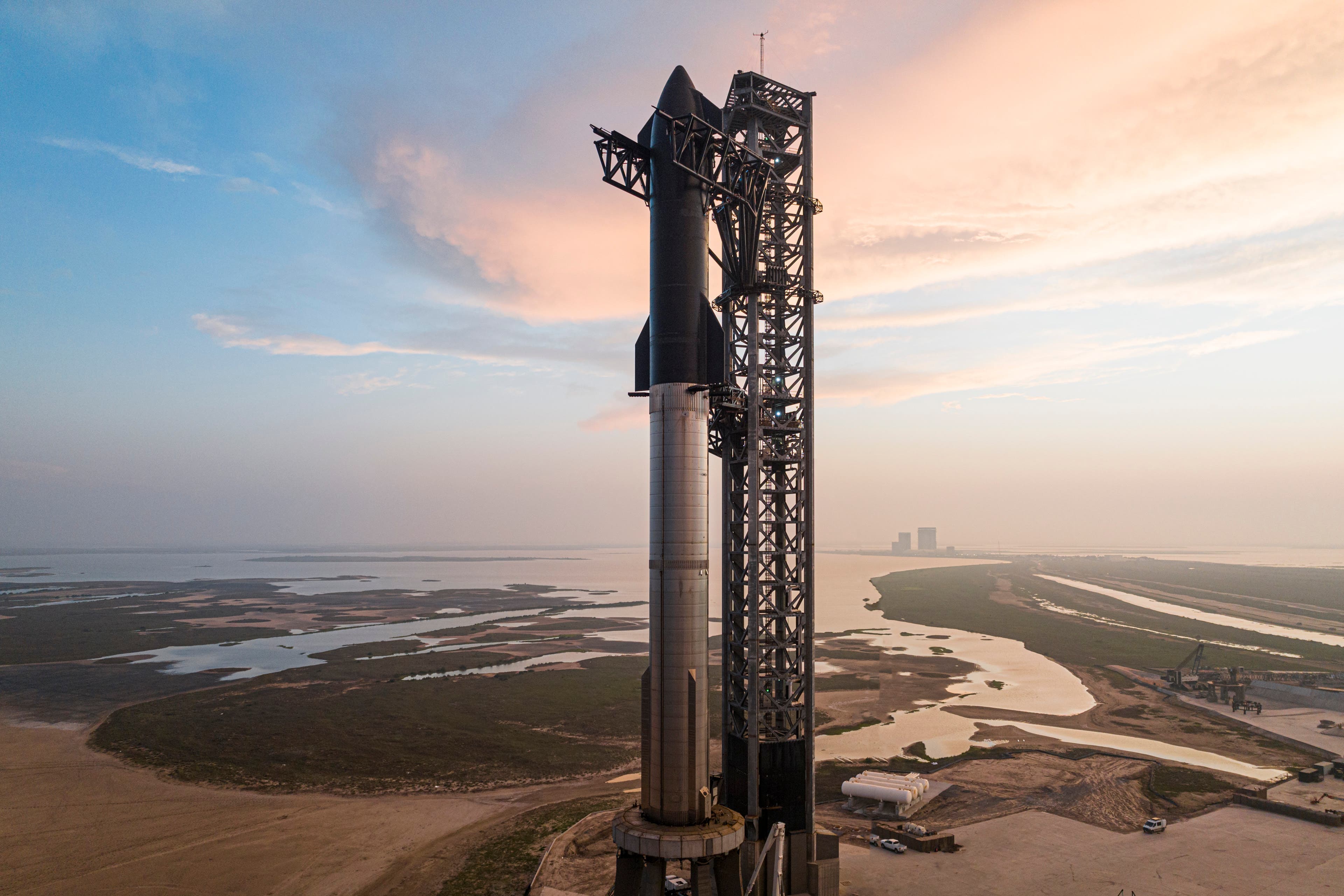
Ship 40 successfully went through two cryogenic proof tests on May 4 and 5. Booster 20 began it's test campaign with a cryogenic proof test on June 7. According to Elon Musk, this would be the second splashdown of a V3 Ship before the first catch on Flight 14.
ISS Expedition 75 will include Roscosmos cosmonauts Pyotr Dubrov and Anna Kikina, as well as NASA astronaut Anil Menon, who will launch on board the Soyuz MS-29 spacecraft in 2026.
Sem descrição disponível
Roscosmos announced that Sputnix company will launch a Soyuz launch vehicle carrying all-commercial satellites from the Vostochny Cosmodrome this September. The payload mentioned so far in several press announcement consist of: small satellites Kinosputnik, KOEN, "MT-LAB", cubesat 6U NPO "Kaisant" with modem "Germes", cubesat 16U NPO "Kaisant" with modem "Gonets".